

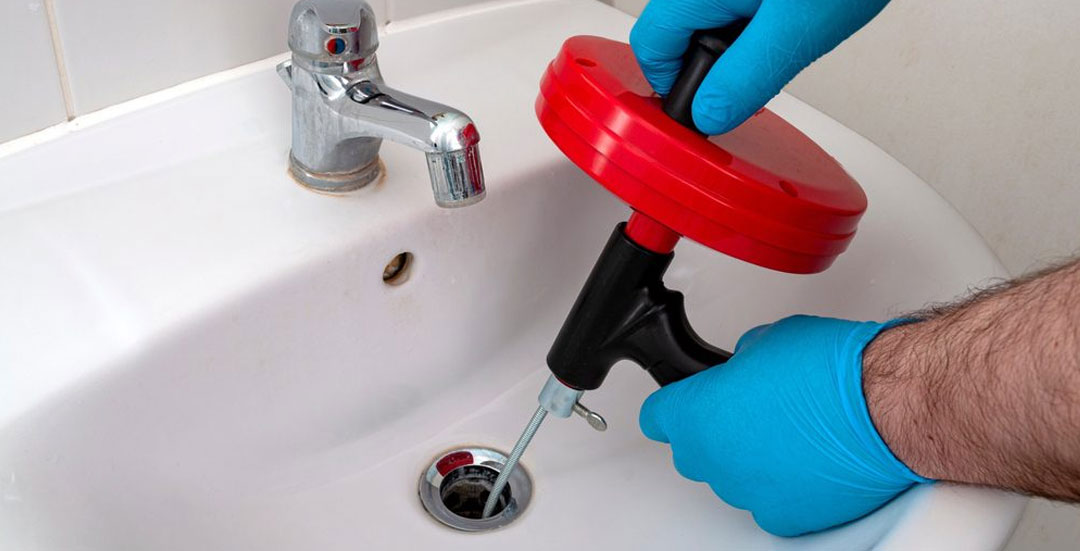
One of the most common plumbing problems people have is a drain that won’t clear. At first, something like a toilet that needs a second flush or water taking longer than normal to drain from the sink or shower may not seem like a big deal. A lot of people just put down the plunger or a store-bought cleaner and move on. But if the problem keeps happening, it could mean that there are bigger problems in your water system that need to be fixed.
Beyond the Surface: What Recurring Clogs Indicate
When a clogged drain becomes a frequent occurrence, it usually points to a deeper problem that quick fixes cannot resolve. Repeated blockages can indicate a buildup within your pipes that has gone beyond food particles, hair, or soap scum. Over time, grease, oils, and mineral deposits can harden along pipe walls, reducing water flow and causing persistent clogs. In such cases, repeated plunging or using harsh chemicals won’t solve the root of the problem.
Even more concerning, recurring clogs may suggest issues with your sewer line. If multiple drains in your home back up at the same time, or if you notice foul odors, it may mean that the main sewer line is blocked or damaged. This is not just a nuisance—it can pose health risks and cause costly water damage if left unaddressed.
Tree Roots and Pipe Damage
Another hidden cause behind a stubborn, clogged drain is damage to your pipes. In older neighborhoods, tree roots are notorious for infiltrating underground sewer lines. Once roots find a way into a tiny crack, they continue to grow inside the pipe, creating a living blockage. This issue rarely goes away on its own and typically worsens with time.
Similarly, shifting soil or aging plumbing materials can cause pipes to crack, collapse, or corrode. These structural problems mean water flow is permanently restricted, making recurring clogs inevitable. Such damage often requires professional assessment and repair to restore proper drainage.
Signs That Shouldn’t Be Ignored
If you find yourself dealing with clogged drains more than once every few months, it’s important to take notice. Some red flags include:
- Slow drainage in multiple fixtures: If the kitchen sink, bathroom shower, and toilet all seem sluggish, it’s a strong sign of a deeper issue.
- Unpleasant odors: A persistent foul smell coming from drains may mean waste is trapped in your sewer line.
- Gurgling sounds: Strange noises in your pipes can indicate trapped air caused by blockages.
- Backups and overflows: When water backs up into sinks or tubs while you’re using another item, there is a big problem.
These warning signs shouldn’t be brushed off, as ignoring them could lead to significant damage, from flooding to contaminated water exposure.
The Importance of Professional Help
While DIY solutions may provide temporary relief, recurring drain problems often require professional plumbing expertise. A qualified plumber can use special tools, like video inspection cameras, to figure out why the drain is clogged. This level of precision allows for targeted solutions, whether it’s hydro-jetting to clear stubborn buildup, repairing broken pipes, or replacing sections of damaged sewer lines.
Addressing recurring clogs promptly not only restores convenience but also protects your property from long-term damage. Professional repairs can prevent leaks, mold growth, and costly renovations that result from untreated water damage.
Preventing Future Clogs
Once the main problem is fixed, making habits that keep things from going wrong can help keep your drains running smoothly. Don’t pour grease or coffee grounds down the sink. Use drain strainers to catch hair and other things that might get stuck, and have a reliable plumber do regular upkeep. Taking care of your plumbing system before problems happen keeps it healthy and saves you the stress of having to deal with them again and again.
Final Thoughts
A single clogged drain may not seem like a big deal, but when it keeps coming back, it’s often a sign of something bigger lurking in your plumbing system. From sewer line blockages to tree root intrusion or pipe damage, recurring clogs should never be ignored. Seeking professional help at the first signs of trouble can save you from larger repairs, protect your home, and give you peace of mind knowing your plumbing system is in good condition.
