

Key Takeaways
- A proper workspace determines whether workdays remain structured or spill into rest hours.
- Private laundry and a usable kitchen shape daily routines more than concierge services.
- Clear billing and fixed service schedules reduce friction for corporate travellers and finance teams.
Introduction
Short business trips allow compromise. A hotel room works when meetings end quickly, and departure follows within days. An extended stay in Singapore changes daily expectations. Business travellers live inside the space rather than pass through it. Workdays stretch across time zones. Evenings involve preparation for the next day instead of sightseeing. Errands, meals, and rest happen between calls. A corporate serviced apartment must support this routine without constant adjustment. Comfort alone does not sustain long-term stays. Practical design and operational clarity determine whether the assignment remains manageable or becomes exhausting.
1. Dedicated, Ergonomic Workspace
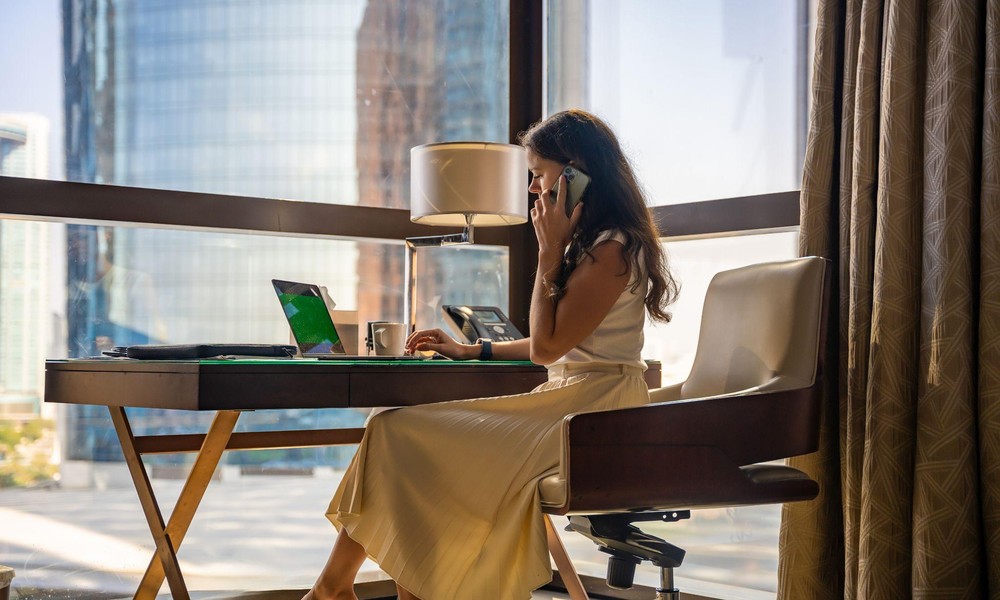
Working from a dining table strains posture and blurs boundaries. During an extended stay in Singapore, travellers require a proper desk, supportive chair, and reliable power access. The workstation should sit away from the bed. Physical separation reinforces mental separation. Calls stay professional. Work finishes on time. Rest follows without screens lingering nearby. A dedicated workspace prevents work from overtaking personal hours.
2. In-Unit Laundry Facilities
Laundry becomes routine after the first week. External services introduce delays and scheduling issues. A washer-dryer inside the apartment restores control. Travellers clean clothes between meetings or late at night without planning around pickup times. This convenience keeps wardrobes functional and avoids unnecessary expenses during longer assignments.
3. Fully Equipped, Full-Size Kitchen
Long stays demand more than reheating meals. A full kitchen supports routine cooking and healthier eating. Stoves, ovens, and proper refrigeration allow travellers to prepare breakfast before calls or simple dinners after long days. Nearby supermarkets and wet markets make fresh ingredients accessible. Cooking reduces reliance on delivery meals that gradually drain energy and focus.
4. Adequate Storage and Closet Space
Suitcases limit movement. Clothing piles grow. Equipment clutters floors. Apartments with generous wardrobes and concealed storage allow residents to unpack completely. Once belongings have designated places, the space feels settled. Visual order reduces mental distraction. Storage transforms the apartment from temporary lodging into a workable living environment.
5. Predictable Housekeeping Schedule
Unscheduled cleaning disrupts workdays. Unexpected knocks interrupt calls and concentration. Long-stay residents benefit from fixed housekeeping schedules, such as twice-weekly service. Predictability allows planning. The apartment remains clean without daily intrusion. Residents maintain control over their environment while still receiving essential upkeep.
6. High-Speed, Secure Connectivity
Extended stays rely on consistent connectivity. Video calls, cloud uploads, and VPN access run simultaneously. Consumer-grade Wi-Fi struggles under sustained demand. Corporate serviced apartments must provide secure, high-bandwidth internet capable of handling continuous work requirements. Stable connectivity protects productivity and professional credibility during international assignments.
7. Transparent Billing and Extension Flexibility
Corporate assignments shift. Meetings extend. Projects evolve. Apartments with all-inclusive billing simplify expense reporting for travellers and finance teams. Clear extension terms prevent last-minute relocation stress. Predictable costs and flexible timelines allow travellers to focus on work instead of renegotiating accommodation mid-project.
Location also shapes daily efficiency during long assignments. Access to MRT lines, supermarkets, and medical clinics reduces time lost to commuting and errands. Business travellers often schedule meetings back-to-back, leaving limited windows for daily tasks. When groceries, pharmacies, and transport sit within walking distance, evenings remain usable for rest or preparation. Proximity to central business districts shortens travel fatigue and improves punctuality. A well-positioned corporate serviced apartment removes friction from ordinary tasks that accumulate during extended stays.
Noise control also affects recovery between workdays. Soundproofing, thoughtful layouts, and building policies limit disruption from neighbouring units or traffic. Business travellers often work late or start early across time zones. Quiet surroundings protect sleep quality and concentration. Over weeks, uninterrupted rest supports clearer thinking and steadier performance.
Conclusion
An extended stay in Singapore requires endurance, not novelty. Business travellers perform best when daily routines remain intact. Corporate serviced apartments succeed when they support work structure, personal autonomy, and operational clarity at the same time. These seven features create a living environment that sustains productivity across weeks or months. When the space supports routine rather than interrupting it, long-term assignments remain effective and balanced. These details influence comfort, consistency, and output during long professional commitments abroad.
Contact Aurealis Serviced Residence to arrange an extended stay in Singapore designed for structured workdays, daily autonomy, and long-term comfort for modern corporate travellers on assignment in Singapore today.
