

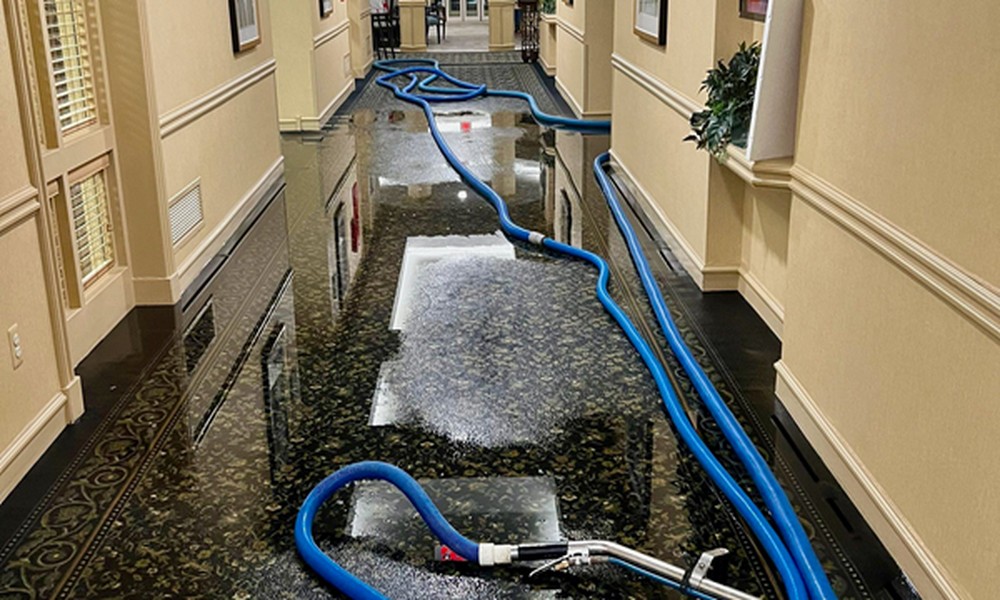
Flooding can cause devastating damage to your property. Severe effects of the flood prevent you from recovering your household items. As water invades your house, it is difficult to manage the situation without professional help. However, due to misconceptions, some homeowners try to deal with the flood damage on their own. Let us discuss the myths about flood damage restoration Toronto.
Myths that you must avoid
You should avoid focusing on a few common misconceptions about flood damage restoration.
All flood damage is the same
Not every flood disaster is the same. Professionals categorize water in different ways based on the color-
- Black
- Grey
- Clean
Clear or clean water is harmless and causes no effect on your health. Black or grey water is unhealthy, as it comes from sewage. This type of water contains viruses and bacteria. Thus, without the right step for restoration, the accumulated black water will cause hazards. Flood restoration experts will sanitize your rooms after removing water.
Mold appears just after flood
Most people have a misconception that mold problems appear within days. However, mold spores develop a few weeks after you have experienced flood damage. Even a small amount of water may seep through your building materials, resulting in the formation of molds. These microorganisms are not detectable with your naked eyes. You may feel the moldy smell if they appear in the wet spots of your house.
Professionals know how to eradicate molds after conducting thermal imaging and humidity tests.
DIY methods- Ineffective in removing water
Some homeowners believe that DIY flood repair is effective and saves money. They use household fans, towels, and simple mold remover to solve their problems.
But, floodwater contains detrimental bacteria, so you have to use protective equipment when managing the situation. DIY methods are effective only for small spills in your room. To deal with floodwater, you need to rely on experts.
Conclusion
The flood restoration process is not just about removing water and cleaning the space. Skilled professionals have learned health-focused protocols for this process. They use specialist equipment.
