

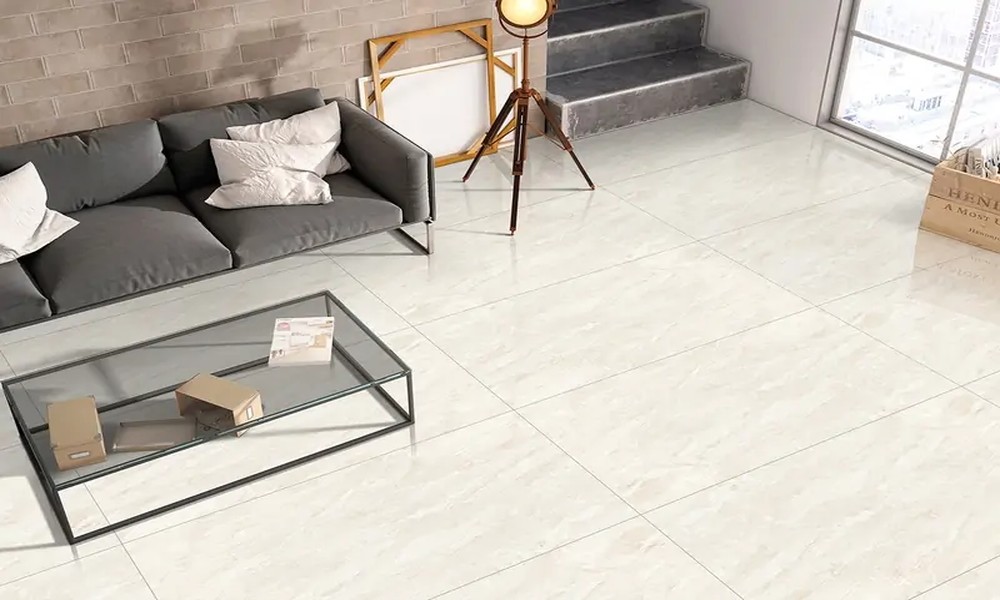
Renovating your home starts with the right choices, and the tiles you select set the tone for years to come. With so many materials on the market, two stand out for their blend of beauty, durability, and value: porcelain and ceramic. Deciding between them may seem like splitting hairs, but the differences can mean real savings, in both time and money.
What Are Porcelain and Ceramic Tiles Made Of?
Both porcelain and ceramic tiles start with the same foundation: natural clay. Yet, the specifics of their composition and production give each type its distinct character.
How Are These Tiles Manufactured?
While both tile types are fired in a kiln, porcelain tiles are baked at much higher temperatures and under more pressure than ceramics. This crucial step makes porcelain denser and less porous. Ceramic tiles, by contrast, are fired at lower temperatures, resulting in a lighter, more porous product.
What Natural Materials Are Used?
Porcelain incorporates a finer, purer clay, often with added feldspar and sand to boost its strength. Ceramic tiles use a mix of natural clays that are less refined, which affects their density and texture.
How Can You Visually Distinguish Porcelain from Ceramic Tiles?
Spotting the difference between porcelain and ceramic tiles is trickier than you might expect. To the casual eye, they can appear nearly identical, but a closer look reveals some clues.
What Are the Surface and Texture Differences?
Porcelain tiles tend to have a smoother, more uniform finish, thanks to their dense composition. Their surfaces feel less textured and more consistent underfoot. Ceramic tiles often display a slightly rougher texture and a wider range of color variation, because of their composite clays.
Which Tile Offers a More Uniform Appearance?
If you crave a clean, consistent look, especially for modern interiors, porcelain delivers. Its manufacturing process allows for even coloration and finish across large batches. Ceramics are better for those who appreciate subtle differences and natural variation in their flooring or wall surfaces.
How Durable Are Porcelain and Ceramic Tiles?
Homeowners looking to install tiles in kitchens, bathrooms, or other high-traffic areas should pay close attention to durability. Both tile types are remarkably tough, but the details matter.
| Feature | Porcelain | Ceramic |
|—————————|—————————–|————————-|
| Water Absorption | Less than 0.5% | 3-7% |
| Surface Hardness | Higher (denser) | Slightly softer |
| Stain Resistance | Excellent | Good (if glazed) |
| Heat Resistance | Withstands high temperatures| Good, but lower than porcelain |
How Do Porcelain Tiles Withstand Water and Heat?
Porcelain’s low porosity makes it practically impervious to water stains and humidity. It excels in kitchens, bathrooms, and even outdoor patios where temperature swings and moisture are constant threats.
What Durability Factors Affect Ceramic Tiles?
Ceramic tiles can be robust, especially when glazed, but they are more vulnerable to chipping or cracking if struck with heavy objects. Their higher porosity means they can absorb water unless properly sealed.
Which Tile Performs Better in High-Traffic Areas?
Porcelain is the champion here. Its density and hardness let it resist wear from foot traffic, furniture movement, and everyday accidents far better than most ceramic tiles.
What Are the Care and Maintenance Requirements for Each Tile Type?
Once installed, the last thing you want is a floor that needs endless attention. Both porcelain and ceramic tiles are celebrated for being low-maintenance, but with a few differences.
How Easy Is It to Clean Porcelain Tiles?
A simple sweep and an occasional mop are all porcelain usually needs. Thanks to its non-porous nature, spills sit on the surface and wipe away without fuss, making it ideal for busy households.
What Additional Maintenance Does Ceramic Tile Need?
Ceramic tile holds up well but may require periodic sealing, especially if installed in a kitchen or bathroom. This helps prevent stains from seeping into the more porous tile body.
How Can You Prevent Stains and Damage Over Time?
Regardless of the tile chosen, using mats in high-impact zones and quickly cleaning spills ensure both porcelain and ceramic keep their good looks for years.
Which Tile Should You Choose Based on Installation Area?
Matching the right tile to the right location is the secret to a stress-free renovation.
Are Porcelain Tiles Suitable for Outdoor Use?
Absolutely. Porcelain’s resistance to moisture and temperature changes makes it perfect for patios, balconies, and entryways exposed to the elements.
When Are Ceramic Tiles Ideal for Indoor Spaces?
Ceramic tiles shine in indoor applications like bedroom floors, backsplashes, and bathroom walls. They are easier to cut and install, often lowering labor costs for projects inside your home.
How Do Aesthetic Preferences Influence Tile Selection?
Your personal style should never take a back seat in a renovation. The choice between porcelain and ceramic lets you tailor the look and feel of each space.
When Should You Opt for Porcelain’s Smooth Look?
Choose porcelain if you desire a sleek, contemporary finish with minimal variation. Its uniformity is perfect for open-plan living areas or minimalist designs.
When Is Ceramic’s Varied Appearance More Desirable?
If you want a bit more personality, pattern, color shifts, or a rustic vibe, ceramic is your friend. Its natural variation suits eclectic or traditional interiors.
How Does Traffic Level Affect Your Tile Choice?
The amount of use a space gets should guide your final decision more than anything else.
What Makes Porcelain a Better Option for Busy Areas?
Entry halls, kitchens, and commercial spaces benefit from porcelain’s resilience against constant use, spills, and scrapes.
Can Certain Ceramic Tiles Compete in Durability?
Glazed ceramic tiles can hold their own in moderately busy rooms. However, they are better for spaces where comfort and style matter more than industrial toughness.
How to Make the Final Decision Without Wasting Time and Money
The key to avoiding costly mistakes is knowing what to prioritize in your renovation.
What Questions Should You Ask Before Buying?
– Where will these tiles be installed?
– What is the expected foot traffic?
– Do I need a moisture-resistant surface?
– How important is a consistent color and finish?
How to Balance Cost, Appearance, and Longevity?
Porcelain often has a higher upfront cost but pays off in longevity and reduced maintenance. Ceramic is typically less expensive and more flexible for DIY installations, especially in low-traffic areas.
Where to Find Quality Porcelain and Ceramic Tiles?
For a deep dive into the practicalities and aesthetics of porcelain vs ceramic, expert guides and showrooms can help you see and feel the difference before you commit.
Choosing the right tile means fewer headaches down the road, leaving you with a home that’s both beautiful and built to last. With a clear sense of your needs, style, and budget, porcelain or ceramic can make your renovation dreams a reality, without unnecessary cost or hassle.
