

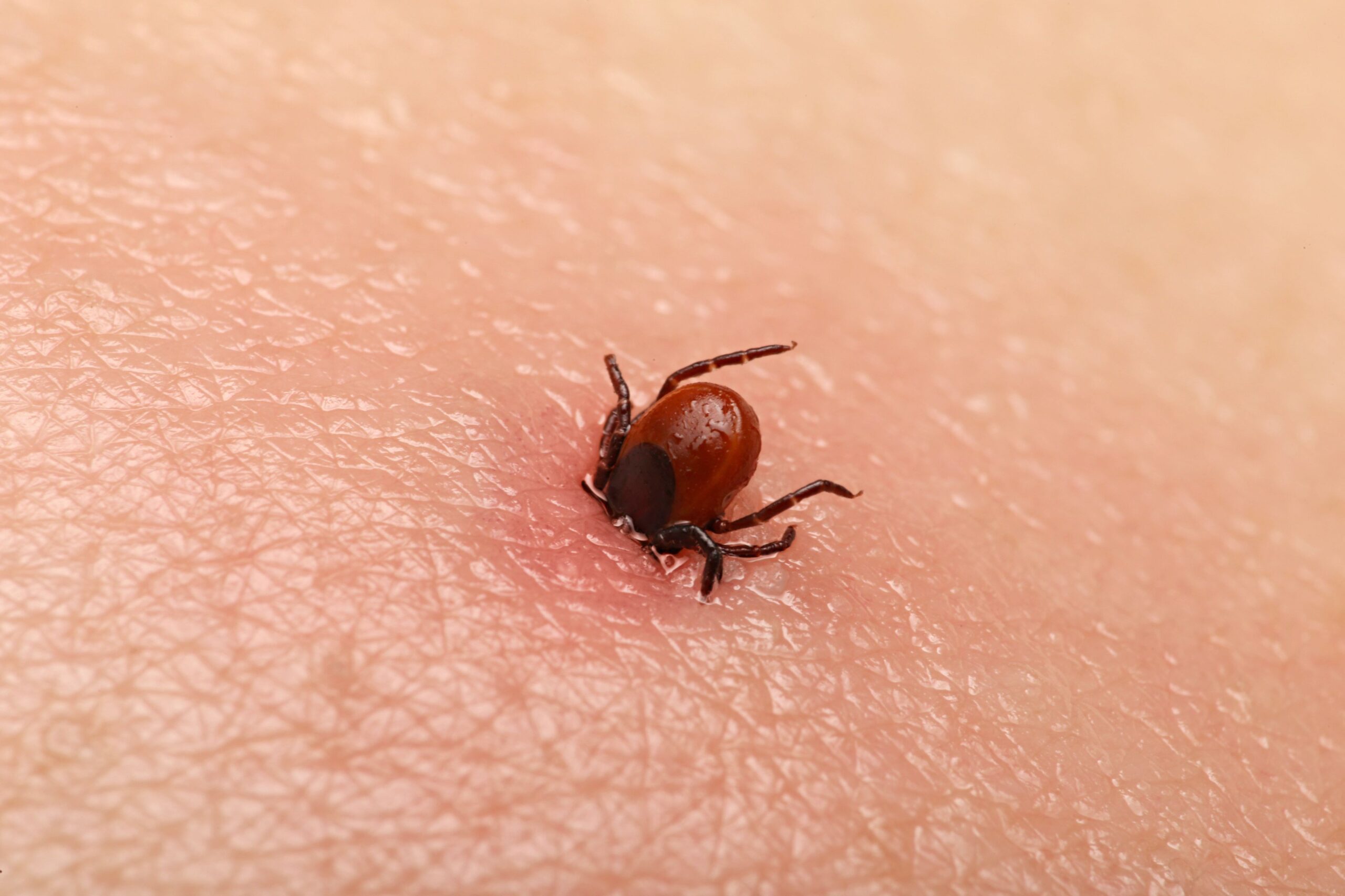
When it comes to pests around the home, ticks are among the most dangerous—and most underestimated. Unlike mosquitoes or rodents, ticks are small, quiet, and easy to miss. But these tiny parasites can carry serious health risks for both humans and animals, making them a major concern for homeowners, especially in warmer months.
In this post, we’ll explore the hidden dangers ticks pose, the diseases they carry, how to spot signs of an infestation, and why professional pest control is often the safest solution.
Why Ticks Are a Serious Threat
Ticks are more than just creepy crawlies—they’re vectors for multiple diseases that can have long-term or even life-threatening effects. While not every tick bite results in illness, the risk is significant enough to warrant attention and prevention.
1. Ticks Carry Dangerous Diseases
Some of the most well-known tick-borne illnesses include:
- Lyme Disease – Caused by the bacterium Borrelia burgdorferi, Lyme disease can lead to fever, fatigue, joint pain, and neurological problems if left untreated. It’s most commonly transmitted by the black-legged tick (also known as the deer tick).
- Rocky Mountain Spotted Fever (RMSF) – A potentially fatal bacterial disease transmitted by the American dog tick. Symptoms include high fever, rash, and muscle pain.
- Ehrlichiosis and Anaplasmosis – These bacterial infections can cause flu-like symptoms and are transmitted by various species of ticks.
- Babesiosis – A malaria-like illness that affects red blood cells, particularly dangerous for those with compromised immune systems.
Children, older adults, and pets are particularly vulnerable to these diseases due to their higher likelihood of exposure and, in some cases, weaker immune responses.
How Tick Bites Happen
Ticks don’t jump or fly. Instead, they wait patiently on blades of grass, shrubs, or leaf litter and latch onto a host as it brushes by. Once attached, ticks can remain embedded for days, feeding on blood and potentially transmitting pathogens in the process.
What makes tick bites especially dangerous is how easily they go unnoticed. Many species inject a numbing agent so their bites don’t itch or hurt, and they may feed undisturbed for 24–48 hours—just enough time to transmit disease.
Signs You Might Have a Tick Problem
While a single tick doesn’t necessarily mean an infestation, certain signs should raise red flags:
- Frequent tick sightings on yourself, family members, or pets after spending time in the yard
- Tick bites with unknown origin
- High wildlife activity in or around your yard—especially deer, mice, or raccoons, which often carry ticks
- Heavily shaded or overgrown landscaping, which provides ideal hiding spots for ticks
If you notice any of these signs, it’s time to take action before the problem worsens.
Protecting Your Home and Yard
Prevention starts with proper landscaping and awareness. Here are some effective ways to reduce tick activity around your home:
- Maintain Your Yard
Keep grass trimmed short, remove tall weeds, and clear leaf litter. Ticks love shaded, moist environments and will avoid sun-exposed, well-maintained lawns. - Create a Barrier
Add a gravel or woodchip border between your lawn and wooded areas. This makes it harder for ticks to migrate from the wild into your yard. - Keep Wildlife at Bay
Install fencing or use natural repellents to discourage deer, mice, and other tick-carrying animals from entering your property. - Use Tick Control Products
Consider applying tick-killing sprays or granules around the perimeter of your yard. These treatments can be effective but should be used according to safety guidelines—or by a professional.
Why Professional Tick Control Matters
DIY solutions can help reduce tick populations, but they rarely eliminate the problem entirely. Ticks are resilient and often reproduce faster than many homeowners can manage. A licensed pest control company can provide:
- Thorough property inspections to identify hotspots and nesting areas
- Targeted treatments that are safe for pets and families
- Ongoing maintenance plans to prevent future infestations
Professionals also have access to stronger, more effective products than what’s typically available over the counter.
Final Thoughts
Ticks may be tiny, but their impact is anything but small. With the growing threat of tick-borne illnesses, it’s more important than ever for homeowners to stay informed and proactive. By understanding the risks and taking steps to reduce tick activity in and around your home, you can protect your family, pets, and peace of mind.
If you suspect a tick problem or want to prevent one before it starts, don’t wait—contact a trusted pest control provider today. Early action is the key to a safer, tick-free environment. We recommend tick control newtown.
