

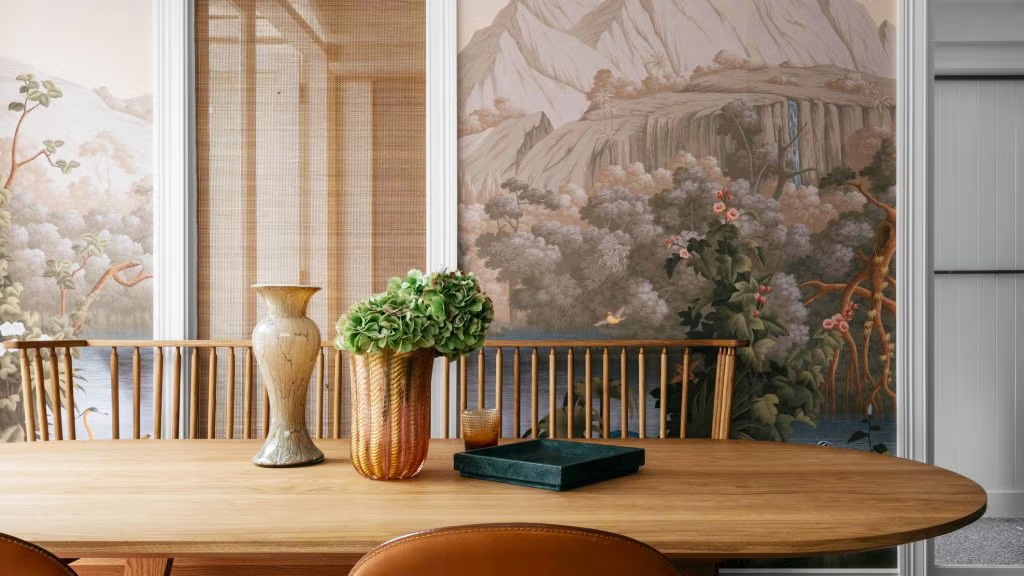
The dining room, a space for connection and culinary enjoyment, deserves more than just a single glaring light fixture. Layering lighting is the secret to transforming this space from functional to phenomenal, creating an atmosphere that’s both cozy and elegant. By carefully combining ambient, task, and accent lighting, you can sculpt a dining experience that’s warm, inviting, and visually stunning.
Establishing a Foundation: Ambient Lighting
Ambient lighting, also known as general lighting, acts as the foundational layer, providing overall illumination to the room. Think of it as the canvas upon which you’ll build your lighting masterpiece. Chandeliers are classic choices for dining rooms, offering both grandeur and diffused light. Recessed lighting is another excellent option, providing a clean and modern look while evenly distributing brightness across the space. Dimmers are essential for ambient lighting, allowing you to adjust the intensity based on the occasion, from a bright family brunch to a romantic candlelit dinner. Consider the size of your dining room when choosing your ambient lighting fixture; a too-small chandelier will be underwhelming, while an overly large one will overwhelm the space.
Illuminating the Experience: Task Lighting
Task lighting focuses on specific areas, providing focused illumination for activities like eating, serving, and cleaning. The dining room light hung above the dining table are a popular choice, adding a stylish focal point while directing light downwards. Make sure the pendants are hung at the right height – too high and they’ll be ineffective, too low and they’ll obstruct views. Sconces placed on the walls can also function as task lighting, adding a touch of elegance while illuminating sideboards or serving areas.
Adding Personality: Accent Lighting
Accent lighting is the finishing touch, highlighting specific features and adding depth and visual interest to the room. This is your opportunity to showcase artwork, architectural details, or decorative elements. Picture lights mounted above paintings or sculptures can dramatically enhance their impact. Uplighting placed behind plants or furniture can create dramatic shadows and add a sense of spaciousness. Consider using spotlights to highlight a beautiful centerpiece on your dining table.
Putting It All Together: The Power of Control
The key to successful layered lighting is control. Dimmers are your best friend, allowing you to fine-tune the intensity of each lighting layer and create the perfect atmosphere for any occasion. Consider installing a smart lighting system that allows you to control your lights remotely or even pre-program lighting scenes for different events. By carefully balancing the different lighting layers, you can create a dining room that’s both functional and beautiful, a space where memories are made and culinary delights are savored.
Beyond Function: Creating an Atmosphere
Ultimately, layered lighting is about more than just illumination; it’s about creating an atmosphere. It’s about transforming a functional space into a haven of comfort and elegance, a place where you can relax, connect, and enjoy the company of friends and family. By carefully considering the placement, intensity, and color temperature of each lighting layer, you can paint with light and create a dining room that truly reflects your personal style and enhances the overall dining experience.
