

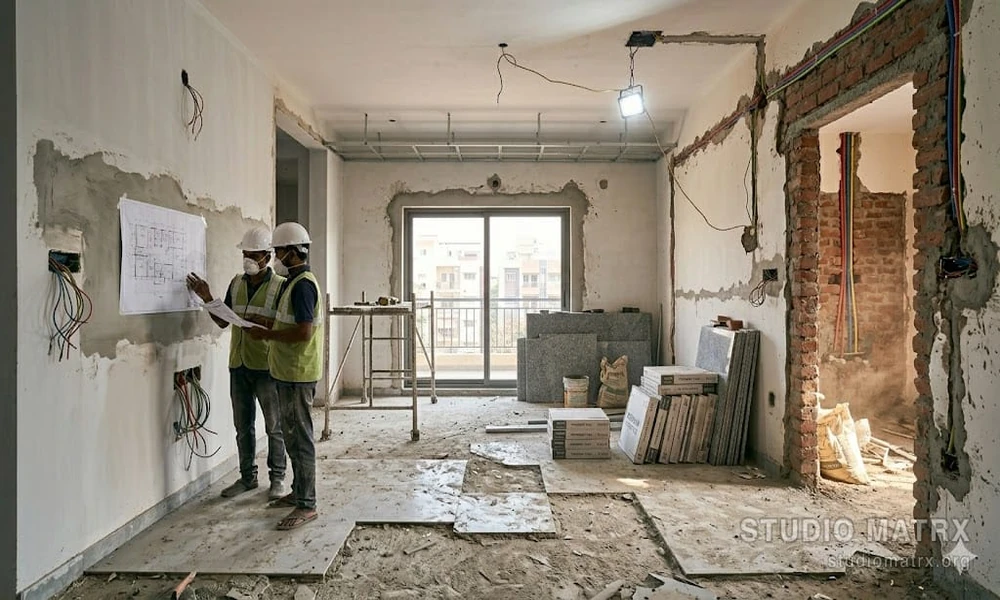
Large home projects rarely go over budget in one dramatic moment. Costs tend to drift a few hundred dollars at a time, through choices that felt small when they were made. A family in Ellicott City or Olney planning a primary suite over the garage usually starts with one number in mind. How close the final invoice lands to that number depends heavily on how design and pricing talk to each other along the way.
That ongoing conversation is the core idea behind design-build, where a single team carries a project from first sketch to final inspection under one contract. Firms like Design Build Remodeling Group of Maryland use this model across the Baltimore and Washington suburbs, mostly on additions, kitchens and whole-home renovations. Whoever you end up hiring, the approach is much easier to judge once you can see the specific points where a budget actually gets shaped.
What follows traces one imagined addition through those points, from the first phone call to the last change order.
The First Number Is a Range
The opening call usually sets a rough scope and a rough budget. At this stage, the figure is built on square footage, a guess at finish level and the remodeler’s memory of similar jobs. It should arrive as a range, not a promise.
This is also the moment to share your real ceiling. Many homeowners quote a lower number to keep some cushion hidden. That backfires. Designers draw to the number they hear, so the cushion you were saving gets spent on surprises you could have planned for.
The Site Visit Moves the Range Most
Nothing reshapes an early estimate like walking the property. Setbacks decide how far an addition can reach. A sloped lot can turn a simple slab into a walkout foundation. On rural parcels in Carroll or Frederick County, the location of a septic field can rule out an entire side of the house.
The existing structure matters just as much. A second story needs footings and walls that can carry it, and older foundations often need reinforcement. The electrical panel and heating system may not have capacity for new rooms.
House age adds another layer. Plenty of homes in Catonsville, Pikesville and Bethesda were built before 1978. Federal rules require lead-safe certified firms for renovation work that disturbs paint in pre-1978 homes, which means containment, careful cleanup and extra time. A good estimate accounts for that from the start rather than adding it later.
Design Rounds With Pricing Riding Along
In the traditional route, an architect finishes the drawings, contractors bid, and the bids often come back high, sending the plans back for redrawing.
Design-build tries to avoid that loop by pricing the drawings while they evolve. Each revision gets a rough cost check before the next one starts. A few drawing decisions tend to move money more than people expect:
- Rooflines. Tying a new roof into a complicated existing one adds framing, flashing and labor.
- Plumbing location. Stacking a new bathroom over an existing one is far cheaper than running lines across the house.
- Open spans. Removing a wall to create one big room may call for an engineered beam and posts down to the foundation.
- Window count. Every extra opening adds framing, flashing and the unit itself.
Allowances Are Where Budgets Leak
Most remodeling contracts include allowances, which are placeholder amounts for items you have not picked yet. Tile, plumbing fixtures, lighting and cabinet hardware often sit in this category.
The trouble is that allowances are guesses. If the tile allowance assumes basic porcelain and you fall for handmade zellige, the difference comes out of your pocket. Ask how each allowance was calculated and whether it matches the finish level you actually want.
Making major selections before construction begins also protects the schedule. Windows, specialty appliances and custom cabinetry can carry long lead times. A crew waiting on a missing part still costs money.
A Small Line Item Below the Slab
Several central Maryland counties sit in areas known for elevated radon, a soil gas that can seep into living space through foundations. When an addition gets a new slab or a basement is being finished, there is a cheap window to deal with it.
EPA outlines radon-resistant construction techniques such as a gravel layer, heavy plastic sheeting under the slab, sealed cracks and a vent pipe. Building these in while the ground is open costs far less than retrofitting a mitigation system after the rooms are finished.
The Contract Turns Ideas Into Obligations
Maryland requires home improvement contractors to be licensed through the Maryland Home Improvement Commission. Contracts must be in writing and signed before work or payment begins. State law also caps the deposit a contractor can collect at one third of the contract price.
Beyond those basics, read for structure. A fixed-price contract puts more risk on the builder. A cost-plus arrangement shows you every invoice but leaves the total open. Either can work. What matters is that scope, allowances, schedule and the change order process are spelled out in plain language.
Hidden Conditions and Change Orders
Once walls open, older homes tend to share their secrets. Crews may find outdated wiring, undersized floor joists, past water damage or termite trails in the sill plate. These discoveries are not anyone’s fault, but they do cost money.
That is why most remodelers recommend holding a contingency, often somewhere around 10 to 15 percent of the project cost for older houses. It is not a slush fund. It is the honest acknowledgment that nobody can see through plaster.
Change orders come in two flavors. Some come from discoveries like the ones above. Others come from you deciding mid-project that the window really should be bigger. Both deserve a written price and a signature before the work happens, and both should show their effect on the schedule as well as the budget.
Where a Healthy Budget Ends Up
A well-run project rarely finishes at exactly the opening number. What it should do is finish at a number you saw coming. Every increase should trace back to a decision you made or a condition someone found and explained.
That traceability is the real test of any remodeling arrangement, design-build or otherwise. If you can look at the final invoice and remember why each line grew, the process worked.
