

Key Takeaways
- Precision in surface levelling is mandatory for runways to ensure aircraft can take off and land without vibration or loss of control.
- Specialised asphalt mixes are required to withstand the extreme friction and weight generated by commercial aircraft.
- Regular maintenance of taxiways prevents Foreign Object Debris (FOD), which is a major hazard to jet engines.
Introduction
Safety in the aviation industry is built on a foundation of rigorous standards and meticulous maintenance. One of the most critical components of airport infrastructure is the surface on which aircraft move. High-quality runway and taxiway paving is not just a matter of aesthetics; it is a fundamental safety requirement. These surfaces must be able to support the immense weight of modern jets while providing enough friction for braking in various weather conditions. Any deviation from the required specifications can lead to accelerated wear, increased maintenance costs, and, in extreme cases, dangerous operating conditions for pilots and ground crews.
Engineering for Extreme Pressure
The demands placed on an airport surface are vastly different from those on a standard highway. Runways must be engineered to handle the impact of landings and the high-speed transit of heavy vehicles. This requires a specific type of bitumen binder and high-quality aggregates that resist deformation under extreme heat and pressure. When the paving is done correctly, the surface remains stable and level for many years. However, if the materials are inferior or the installation is rushed, the asphalt can develop ruts or cracks that compromise the structural integrity of the entire airfield.
Maintaining Optimal Taxiway Conditions
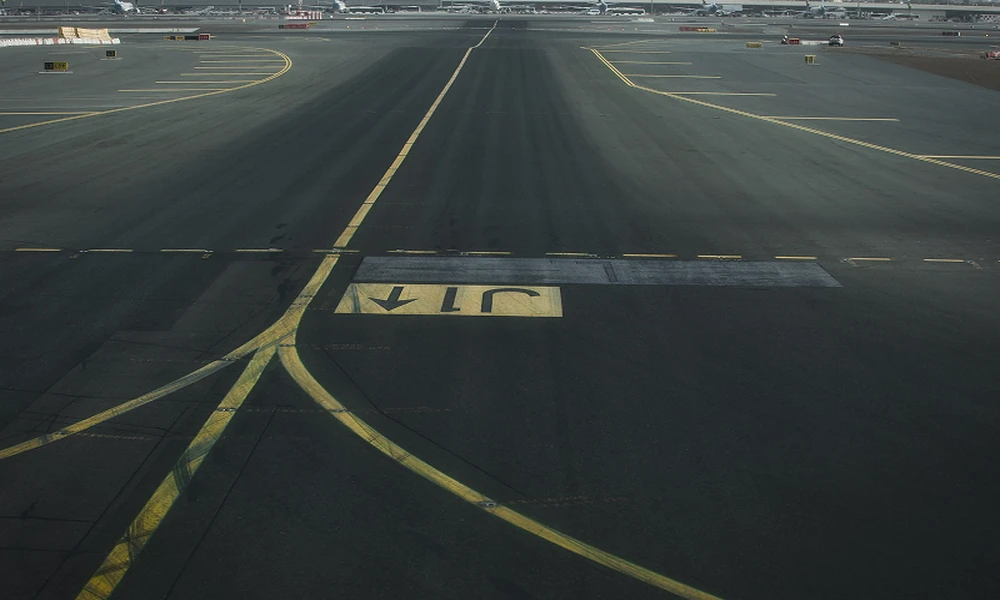
While runways get much of the attention, the paths leading to them are equally important. Efficient runway and taxiway paving ensures that aircraft can move from the gate to the take-off point without encountering bumps or loose material. Taxiways often experience slow-moving, heavy loads, which can cause “shoving” or displacement of the asphalt if the mix is not stiff enough. Furthermore, a degrading surface can shed small stones or pieces of asphalt. These pieces, known as Foreign Object Debris (FOD), can be sucked into jet engines, causing catastrophic damage and expensive repairs.
The Role of Drainage and Friction
Water is the enemy of any paved surface, and on an airfield, it can be particularly hazardous. Hydroplaning occurs when a layer of water builds up between the aircraft tyres and the runway, leading to a loss of traction. To prevent this, the paving must include precise “grooving” and a specific cross-slope to shed water quickly. Engineers must also ensure that the surface texture provides consistent friction values. Regular testing and resurfacing are necessary to maintain these values, as the rubber from aircraft tyres can build up over time and create a slippery surface.
Investing in Long-Term Reliability
The cost of closing a runway for emergency repairs far exceeds the investment required for high-quality initial paving. Airports must work with contractors who have specialised experience in aviation projects and understand the unique regulatory environment. This includes managing complex logistics to ensure that work can be completed during limited overnight windows without disrupting flight schedules.
Conclusion
The integrity of runway and taxiway paving is a cornerstone of operational success in the aviation sector. Maintaining these surfaces to the highest possible standards protects both the equipment and the people who rely on them. Trust your critical surfacing needs to a team with a proven history of excellence. By prioritising quality and durability, airport authorities can ensure the longevity of their assets and provide a safe environment for millions of travellers every year.
Contact United E&P to consult with experts in large-scale infrastructure and aviation paving projects.
