

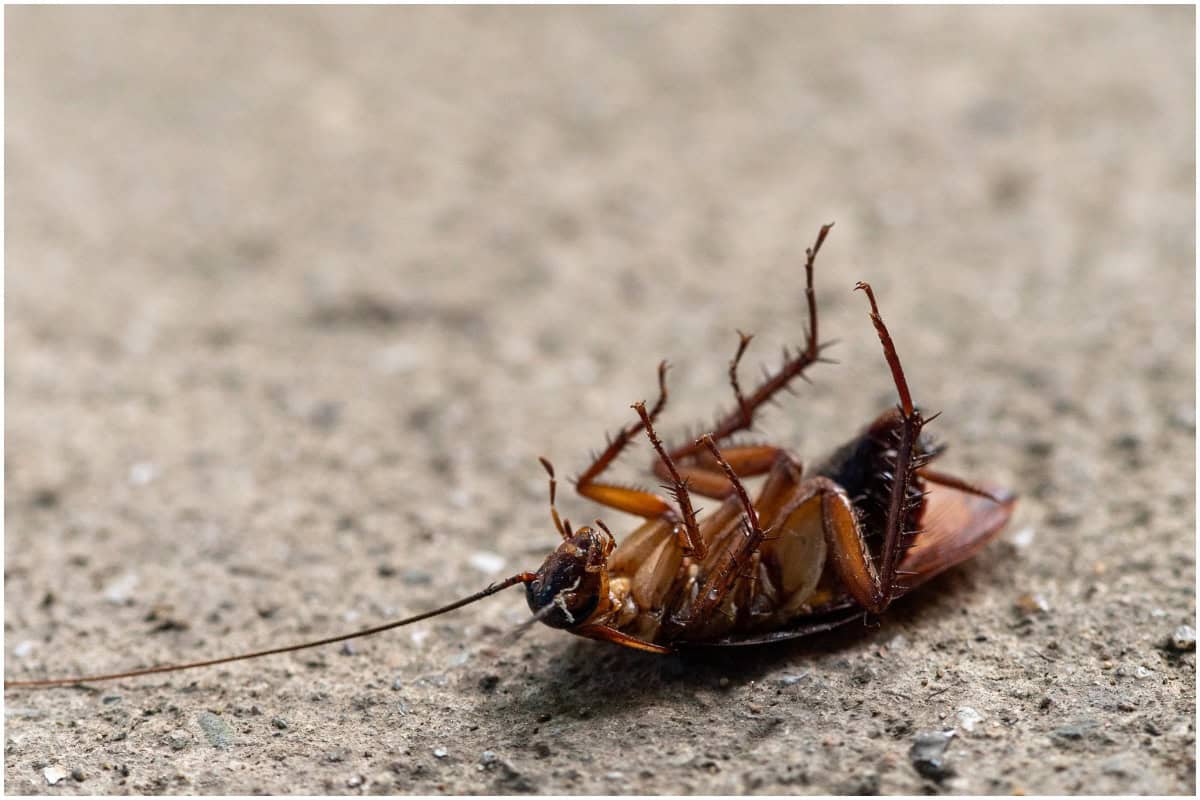
Roaches usually appear in Arlington homes for food, water, and shelter. Thankfully, people’s cleaning habits can help limit such attractions. But many homeowners wonder how much cleaning can help when it comes to roach control. Cleanliness matters, but it works best as part of a broader approach that removes access and moisture. Even experts at Romney Pest Control always emphasize the need to keep homes clean to make it less appealing to roaches and other pests. Below is a closer look at how keeping a home clean affects roach activity and where cleaning helps the most.
Why Roaches Choose Certain Homes
Roaches search for reliable sources of their meals, moisture, and quiet hiding spots. So, they usually end up invading kitchens, bathrooms, and laundry rooms. Also, they get warmth from appliances and pipes. The warm weather in Arlington supports roach survival for much of the year. Homes here offer a safer option for roaches when outdoor conditions turn harsh.
Food Sources Make a Difference
Roaches can have a meal out of crumbs on floors, spills under appliances, and open food packages. Homeowners can reduce appeal by wiping counters after meals, sweeping floors, and storing food in sealed containers. Pet food left out overnight also draws roaches, so covered bowls help limit access. Also, trash bags that sit too long or cans without tight lids offer strong scents.
Kitchens Need Extra Attention
Kitchens usually experience the most roach traffic. These pests are drawn to grease buildup on stovetops, crumbs in drawers, and spills in pantries. Appliances such as refrigerators and ovens collect debris underneath, which many people forget to check. Routine cleaning under and behind appliances removes hidden food sources. Cabinet corners and drawer tracks also must be given attention, since roaches favor tight spaces.
Bathrooms and Moisture Control
Roaches need water to survive. Bathrooms provide steady moisture through sinks, tubs, and toilets. Leaks under sinks or around fixtures create damp zones that roaches favor. Drying surfaces after use and fixing leaks reduces moisture. Bath mats and towels should dry fully between uses. Clean drains also help, since organic residue attracts roaches.
Laundry Rooms and Utility Areas
Laundry rooms often combine warmth, water, and storage. Lint buildup, detergent spills, and moisture from washers add appeal. Cleaning lint traps, floors, and shelves removes resources. Water heaters and utility closets also deserve checks. Drips or condensation near pipes support roach activity.
Clutter Creates Hiding Spots
Clutter does not feed roaches, but it gives them shelter. Stacks of paper, cardboard boxes, and stored items create dark spaces that feel safe. Roaches hide during the day, so clutter lets them stay close to food without exposure. Reducing clutter removes hiding spots and makes cleaning easier. Organized storage allows quick checks for signs of activity, such as droppings or shed skins.
Cardboard and Paper Storage
Roaches feed on glue and paper fibers. Cardboard boxes stored in garages, closets, or pantries support both food and shelter needs. Plastic bins with tight lids work better for long-term storage. Mail piles, magazines, and paper bags should not sit unused for long periods. Recycling these items keeps spaces less attractive.
Shared Housing Challenges in Arlington
Many Arlington residents live in apartments or townhomes. In these settings, one unit’s habits affect others. A clean unit may still see roaches from neighboring spaces through walls and plumbing lines. Personal cleaning helps reduce survival, but building-wide efforts are necessary. Reporting issues early supports faster resolution and limits spread.
How Clean Habits Affect Roach Survival
Clean homes do not guarantee zero roaches, but they make survival harder. With fewer food and water sources, roaches struggle to thrive and reproduce. This limits population growth and visibility. Roaches that cannot find enough resources will move on or fail to establish nests.
