

When most people think of pest control, they picture ants in the kitchen or mice in the basement—but some of the worst pest problems start right in your backyard. In Kansas City, where warm, humid summers create the perfect environment for pests to thrive, your lawn can become a hotbed for ticks, fleas, mosquitoes, and other unwelcome visitors.
These pests aren’t just annoying; they pose real health risks to your family and pets. If you want to enjoy your outdoor space without worrying about bites, rashes, or infestations hitching a ride indoors, it’s time to take lawn pest control seriously.
Here’s how to protect your Kansas City yard from the most common outdoor pests.
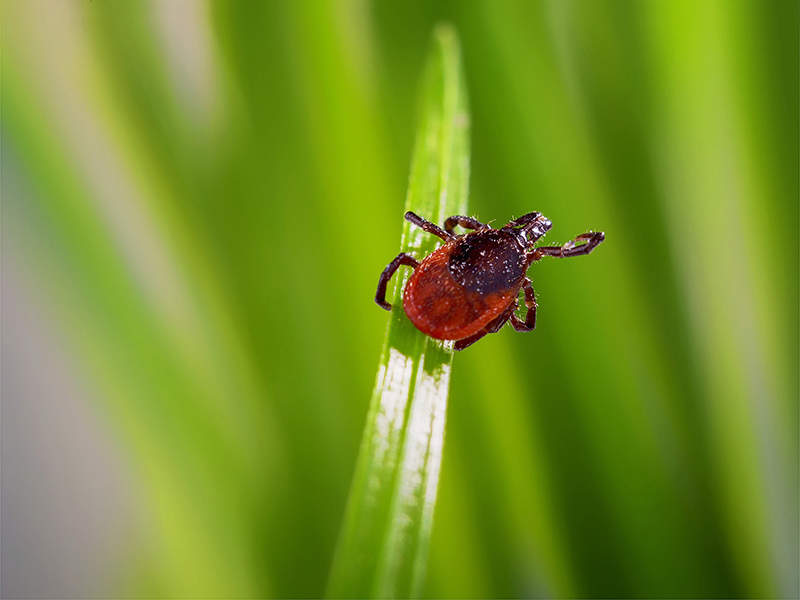
1. Ticks: The Silent Hitchhikers
Ticks are small, but their bite can pack a punch—especially when they carry diseases like Lyme disease, Rocky Mountain spotted fever, or ehrlichiosis, which are found in Missouri and surrounding states.
Ticks often live in:
- Tall grasses and overgrown shrubs
- Leaf piles and woodpiles
- Along fences or at the edges of wooded areas
Kansas City’s warm seasons—from late spring through early fall—are prime tick time, especially for homeowners with wooded yards, pets, or frequent wildlife activity.
How to Protect Your Lawn:
- Keep grass trimmed to 3 inches or less.
- Remove brush, leaf litter, and tall weeds from yard edges.
- Stack wood neatly and away from the house.
- Install gravel or mulch barriers between wooded areas and the lawn.
- Use tick-repellent lawn treatments from a professional pest control provider.
And don’t forget to check pets and people after time outdoors—ticks often go unnoticed until it’s too late.
2. Fleas: A Nightmare for Pets and People
Fleas are one of the most frustrating pests to eliminate because they reproduce quickly and can spread from the yard into your home with ease. They often hitch a ride on dogs, cats, or wildlife, then infest carpets, furniture, and bedding.
Flea season in Kansas City usually peaks in late spring through summer, though warm winters can extend their activity.
How to Protect Your Lawn:
- Mow regularly and remove excess thatch.
- Discourage stray animals by securing trash and removing food sources.
- Treat pets with veterinarian-recommended flea preventatives.
- Schedule professional yard treatments to target fleas at all life stages.
If your pet is scratching and your home has fleas, chances are your lawn is the source—and treating just the house won’t be enough.
3. Mosquitoes: Buzzing, Biting, and Breeding Fast
Mosquitoes aren’t just annoying; they can spread West Nile virus, Zika, and heartworm (to pets). These insects breed in standing water, which makes Kansas City’s wet springs and humid summers perfect for mosquito populations to explode.
How to Protect Your Lawn:
- Eliminate standing water in birdbaths, gutters, flowerpots, and toys.
- Aerate your lawn to prevent pooling and improve drainage.
- Use outdoor fans during gatherings—mosquitoes are weak flyers.
- Install mosquito-repelling plants like citronella, lavender, and marigolds.
- Apply barrier treatments to vegetation and shady areas with help from a professional service.
Most importantly, address breeding grounds within 100 feet of your home, as that’s typically the mosquito’s travel radius.
4. Chiggers, Gnats, and Lawn Ants
Not as well-known but equally annoying, chiggers are tiny mites that bite and cause intense itching. They’re found in tall grasses and weedy areas and are especially active in the early summer months.
Gnats and lawn ants don’t always pose health threats, but they can disrupt outdoor activities, damage grass, and build unsightly mounds.
General Lawn Protection Tips:
- Keep vegetation trimmed and avoid overwatering.
- Use mulch carefully—too much can harbor insects.
- Rake leaves and remove dead grass to limit breeding areas.
- Water early in the day to prevent excess moisture overnight.
5. Why Professional Lawn Pest Control Makes a Difference
DIY pest sprays and citronella candles offer short-term relief, but they don’t address the underlying conditions that attract pests in the first place. Professional lawn pest control services can help by:
- Identifying and targeting specific pests common to Kansas City.
- Applying safe, effective treatments for pets and children.
- Scheduling seasonal treatments to stay ahead of pest life cycles.
- Offering integrated pest management (IPM) solutions that include habitat modification, monitoring, and prevention.
Many providers also offer bundle packages that treat both your home and yard—saving you money and preventing pests from simply moving indoors.
Final Thoughts
A pest-free lawn means more than just comfort—it means protecting your health, your pets, and your home. In Kansas City’s pest-friendly climate, yard pests like ticks, fleas, and mosquitoes are more than a seasonal nuisance—they’re a serious threat that requires year-round vigilance.
If you want to take back your backyard, start with a professional inspection and seasonal lawn treatment plan. With the right care and proactive steps, your outdoor space can be a place to relax—not one you avoid.
Ready to reclaim your lawn? Contact us today for a free outdoor pest control consultation customized for Kansas City’s climate and your yard’s unique needs. We recommend kansas city pest control.
