

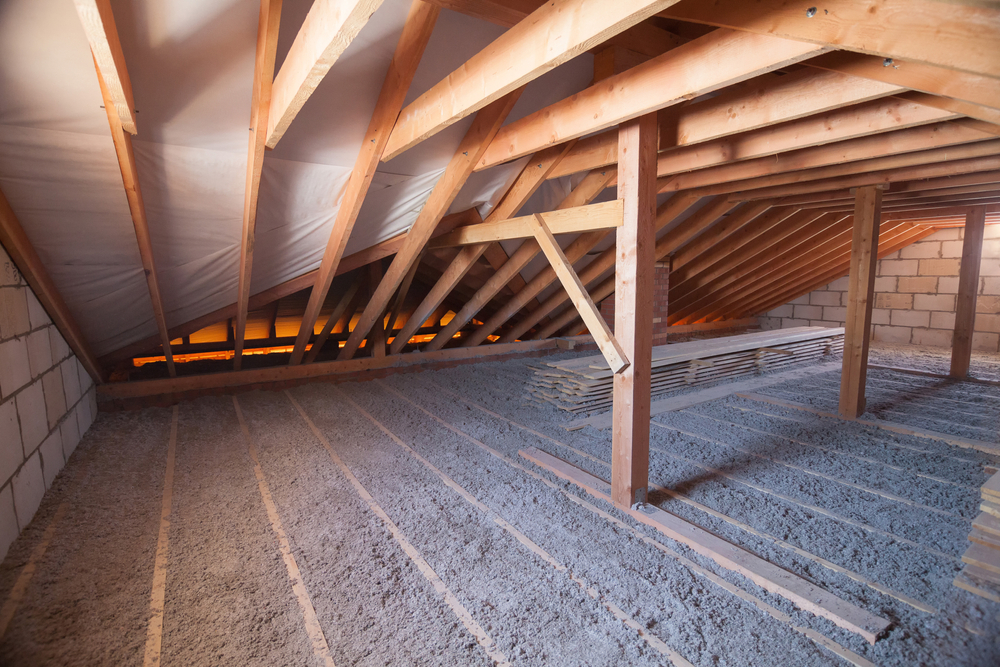
Few home upgrades pay off quite like proper attic insulation. Every winter draft, creeping summer heatwave, and shockingly high utility bill traces back, in part, to what’s between your ceilings and your roof. Yet, the urge to save money on such a project often tempts homeowners into shortcuts that cost more in the long run. Here’s how to avoid those mistakes and insulate smarter, not cheaper.
Why Proper Attic Insulation Matters for Your Home
An under-insulated attic can turn your home into a sieve, leaking warm air out in the winter and letting heat bake your living spaces in the summer. Energy bills spike, but comfort plummets, leaving homeowners paying more for less.
Neglecting insulation goes beyond discomfort and cost. If your attic harbors contaminated or degraded materials, you risk more than just drafts. Mold spores, dust, and unwelcome wildlife residues can circulate throughout your home, impacting allergies and, in severe cases, threatening your health.
Add to that the common problems faced by homeowners, sagging or damp insulation, air leaks around fixtures, past wildlife intrusions, and it’s clear that a “cheap fix” can mean expensive headaches down the road.
Identifying Costly Mistakes When Insulating Your Attic
Some pitfalls quietly drain your budget. Overpaying for materials is easy if you buy retail without researching bulk or supplier discounts. Hiring the first contractor you find, instead of comparing quotes, often means paying more for subpar work.
Resisting the temptation to buy the lowest priced insulation is critical. Bargain materials may offer poor thermal performance, degrade faster, or fail to meet code, leading to higher energy costs or future replacement.
Another hidden mistake is skipping attic decontamination and cleanup. Leaving behind mold or animal waste only invites future re-insulation. The aftermath? Higher remediation costs and health risks.
Affordable Ways to Save Money Without Compromising Quality
The smartest savings begin with understanding the options. Fiberglass, cellulose, and spray foam each come with unique costs and benefits:
| Insulation Type | Avg. Cost (per sq. ft.) | R-Value (per inch) | Key Pros | Key Cons |
|—————–|————————|——————–|——————–|———————-|
| Fiberglass | $0.40 – $1.50 | 2.2 – 2.7 | Affordable, easy DIY | May irritate skin/airways |
| Cellulose | $0.60 – $2.30 | 3.2 – 3.8 | Good for air sealing | Can absorb moisture |
| Spray Foam | $1.00 – $3.00 | 3.5 – 6.5 | Highest efficiency | Higher upfront cost |
Shopping local suppliers, watching for seasonal sales, or pooling purchases with neighbors can drop costs significantly. Consider gently used or surplus materials from reputable sources for further cuts, just ensure they meet local codes.
DIY insulation might promise quick savings, especially for straightforward attics. However, complex spaces, pest damage, or moisture issues demand a professional’s eye. Weigh the risk of mistakes versus the cost of an accredited installer.
Leveraging Attic Decontamination and Restoration Services
Cutting corners on cleaning and decontamination is never worth it. Trapped moisture, mold, or droppings taint new insulation and undermine air quality. A thorough professional cleaning protects your investment, extending the life of your insulation.
Attic restoration after disaster or wildlife invasion can actually save you money long-term, preventing repeated repairs or costly health issues. If your attic smells musty, reveals stained joists, or you spot old nests, cleanup is essential before new insulation.
Professionals, like those at Insulation Services, can assess and address problems before installation, reducing potential surprises that could blow your budget later.
Planning and Preparing for Attic Insulation to Maximize Savings
Start with a clear-eyed assessment of your attic. Examine for existing insulation, signs of pests, dampness, or structural issues. Off-peak seasons (late spring or early fall) see lower material costs and more contractor availability.
Always gather multiple quotes, scrutinizing for details on materials, cleanup, and warranties. Reputation matters as much as price, so check reviews and previous work.
Step-by-Step Guide to Insulating Your Attic Efficiently
1. Clear and prepare the attic: Remove old insulation and debris. Seal gaps and address any moisture or pest issues first.
2. Install vapor barriers if needed: These prevent future moisture problems.
3. Lay or spray insulation carefully, following manufacturer and local building code guidelines for depth and coverage.
4. Double-check for air leaks: Inspect around hatches, pipes, and electrical fixtures.
5. Maintain: Revisit your attic yearly to ensure insulation remains dry, intact, and contamination-free.
Long-Term Benefits of Investing in Quality Attic Insulation
An attic done right pays back every month. Expect lower energy bills, consistent indoor temperatures, and fewer drafts. Clean, modern insulation boosts indoor air quality and can relieve allergy or asthma symptoms.
The upgrade even pays off at resale; homebuyers prize efficient, well-maintained homes and may offer higher bids for documented improvements.
Taking Action: How to Get Started Today
Begin by scheduling an attic inspection with a trusted professional. Budget smartly, factoring in the total scope, materials, labor, cleanup, and necessary repairs. Return to your attic each year to ensure your investment remains protected.
Smart choices today set the stage for years of comfort, health, and savings. When you’re ready, seek out experienced teams, like Insulation Services, to guide you every step of the way.
