

Key Takeaways
- Condominium and apartment bedrooms often require wardrobe designs that maximise limited floor space.
- Floor-to-ceiling wardrobes can increase storage capacity without enlarging the room footprint.
- Sliding doors are often more practical than hinged doors in compact layouts.
- Internal storage configurations are just as important as the exterior of the wardrobe.
- A custom wardrobe in Singapore can be tailored to suit specific room dimensions and storage requirements.
Introduction
Storage planning is one of the most important aspects of condominium and apartment living. While modern residential developments often feature efficient layouts, bedrooms can still present limitations when it comes to storing clothing, accessories, luggage, and household items. A poorly planned wardrobe may occupy valuable floor space while failing to provide sufficient storage. Due to this reason, homeowners increasingly pay attention to wardrobe design during renovations and interior upgrades. Whether selecting a ready-made solution or investing in a custom wardrobe in Singapore, the goal is to create a storage system that complements the room while supporting daily routines. Several practical wardrobe design ideas can help maximise functionality without compromising the overall bedroom layout.
Floor-to-Ceiling Wardrobes for Maximum Storage
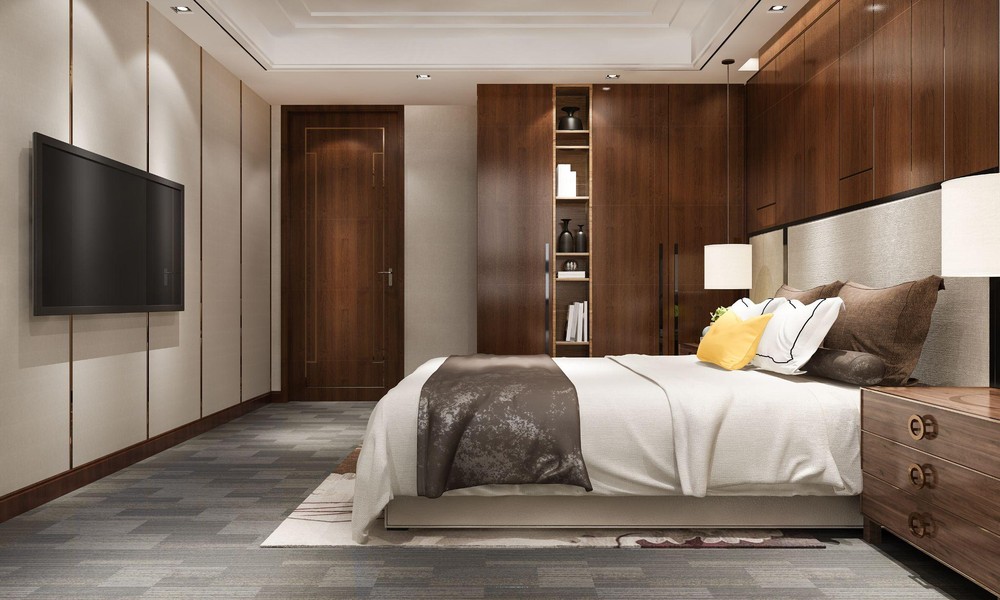
One of the most effective wardrobe designs for condominiums and apartments is the floor-to-ceiling configuration. Many homeowners focus on wardrobe width but overlook the vertical storage potential available within a room. Extending a wardrobe to the ceiling creates additional compartments for storing seasonal clothing, luggage, spare bedding, and other infrequently used items. This approach helps reduce clutter elsewhere in the home while making full use of available wall space. Floor-to-ceiling designs also create a more integrated appearance, helping the wardrobe look like part of the room architecture rather than a separate furniture piece. That said, for smaller bedrooms, this strategy often delivers significantly more storage without increasing the wardrobe footprint.
Sliding Door Systems for Compact Spaces
Door selection plays a significant role in wardrobe functionality. In apartments where beds, study desks, and side tables occupy much of the room, traditional hinged doors may require additional clearance space that is not always available. Sliding doors eliminate this issue by moving horizontally rather than swinging outward. This instance allows homeowners to place furniture closer to the wardrobe without restricting access. Sliding door systems can also contribute to a cleaner visual appearance, particularly when paired with minimalist finishes. Mirror-panel sliding doors are another practical option, as they combine storage access with a full-length mirror while creating the perception of a larger room.
Customised Internal Storage Layouts
Many wardrobe designs focus heavily on exterior appearance while neglecting internal organisation. However, the internal configuration often determines how efficiently the wardrobe functions. Different households have different storage requirements. Some individuals require extensive hanging space for work attire, while others need additional shelving for folded clothing. Dedicated compartments for watches, handbags, jewellery, shoes, and accessories can further improve organisation. A wardrobe in Singapore designed with customised internal sections allows homeowners to store belongings more systematically and access items more easily. Pull-out drawers, adjustable shelves, and integrated organisers can also improve long-term flexibility as storage needs change over time.
Corner and Recessed Wardrobe Solutions
Condominium and apartment layouts occasionally include awkward corners, structural columns, or recessed wall sections that can be difficult to utilise effectively. Instead of leaving these spaces underused, homeowners can incorporate them into wardrobe designs. Corner wardrobes can transform otherwise wasted areas into practical storage zones. Similarly, recessed wardrobes built into existing wall niches create a streamlined appearance while preserving floor space. These solutions are particularly valuable in smaller units where every square metre contributes to overall functionality. Careful planning can turn architectural limitations into useful storage opportunities.
Matching Wardrobes with Interior Design Themes
A wardrobe occupies a significant portion of the visual space within most bedrooms. Due to this, its design should complement the overall interior style. Contemporary apartments often feature clean lines, neutral colours, and minimal detailing, making sleek wardrobe finishes a suitable choice. Wood-grain textures can introduce warmth, while matte surfaces contribute to a modern appearance. Glass, mirror, or laminate finishes may also be selected depending on the desired aesthetic. The objective is to ensure that the wardrobe supports the room design rather than appearing visually disconnected from it.
Conclusion
Effective wardrobe design goes beyond simply providing storage. In condominiums and apartments, the right wardrobe can improve organisation, maximise available space, and support a more functional bedroom layout. Features such as floor-to-ceiling construction, sliding doors, customised interiors, and space-efficient corner solutions help homeowners make better use of limited square footage. Whether choosing a standard unit or investing in a custom wardrobe in Singapore, thoughtful planning can result in a storage solution that meets both practical and design requirements for modern urban living.
Visit Maxi Home today to create a custom wardrobe that fits your home and storage needs.
